
INTERESH Experimental Actions Get Underway in Foggia
Foggia marked the launch of the INTERESH experimental actions
From 16 to 18 June, Foggia marked the launch of the INTERESH experimental actions through three days of institutional dialogue, research activities and field experimentation, in line with the principles of the Soil Deal for Europe, which inspire the project’s objectives.
On 16 June, the Department of Economics of the University of Foggia hosted the project’s first Territorial Roundtable. The Policy Lab brought together Dr Luigi Trotta, Head of the Agri-food Supply Chain Competitiveness Unit of the Apulia Region, Dr Giovanna Amedei, geologist at the Italian Society of Environmental Geology (SIGEA), Dr Alfonso Mogavero, President of the Order of Agronomists and Forestry Doctors of the Province of Foggia, Professor Vera Amicarelli of the University of Bari Aldo Moro and Professor Beatrice Giannetta of the University of Foggia and Secretary of the Italian Society of Soil Science.
The discussion focused on Apulian soils, a resource increasingly exposed to the risks of degradation and desertification. The meeting highlighted the need to strengthen dialogue between institutions, the research community and sector stakeholders. The discussion, which also involved other local stakeholders and project partners, represents one of the steps towards the development of the Regional Action Plan for Agriculture (RAP), a regional strategy based on the integration of data, scientific knowledge and territorial needs to support the agroecological transition in Apulia.
In the afternoon, Experimental Action No. 2, dedicated to fertigation and coordinated by Ghent University (UGent), was launched at the Dell’Aquila Farm. The farm, which cultivates durum wheat, fodder crops, tomatoes and protein crops, will test a variable-rate fertigation system capable of adjusting water and nutrient inputs according to the actual needs of the soil, with the aim of reducing waste in a territory strongly affected by water scarcity.
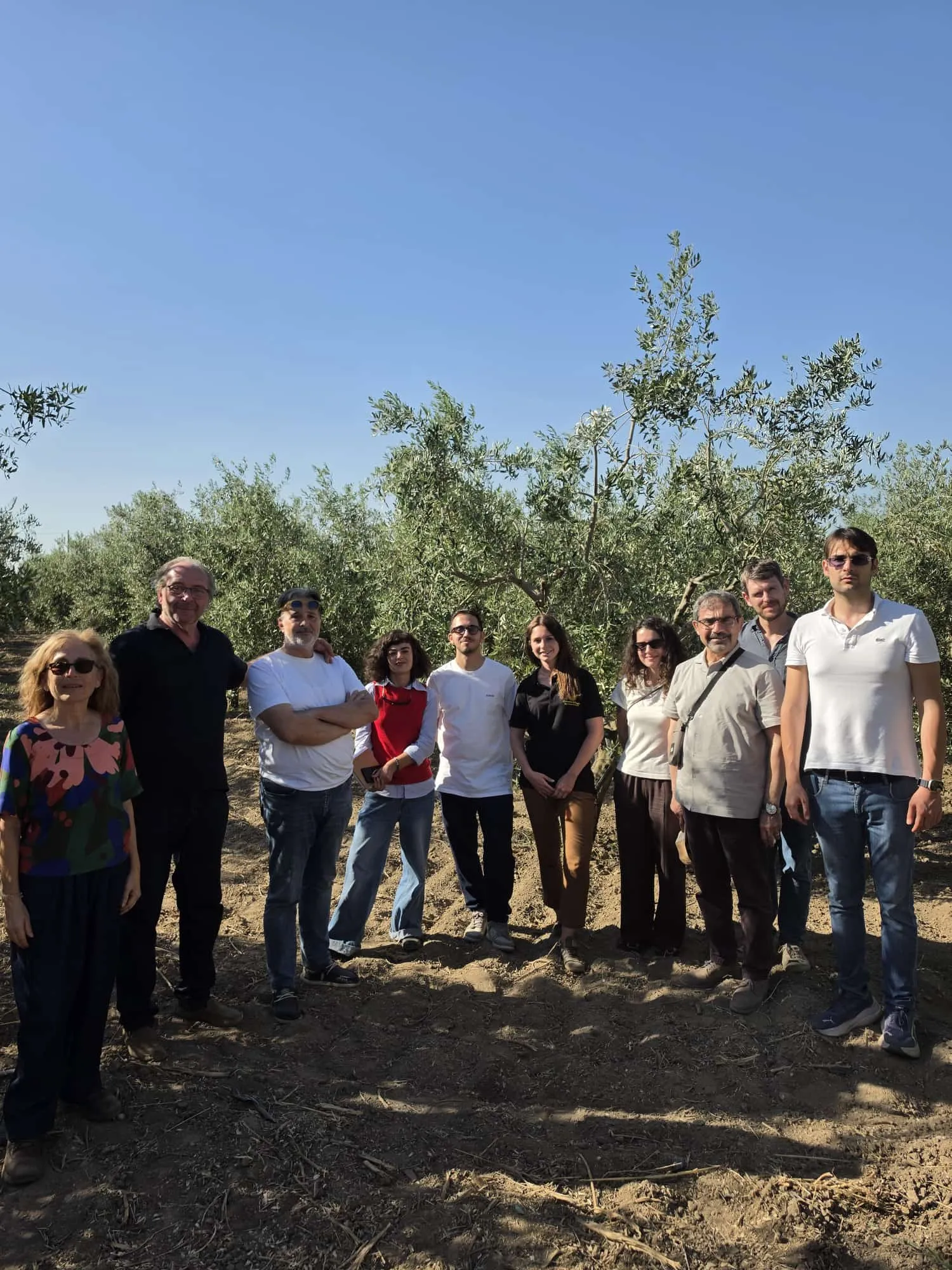
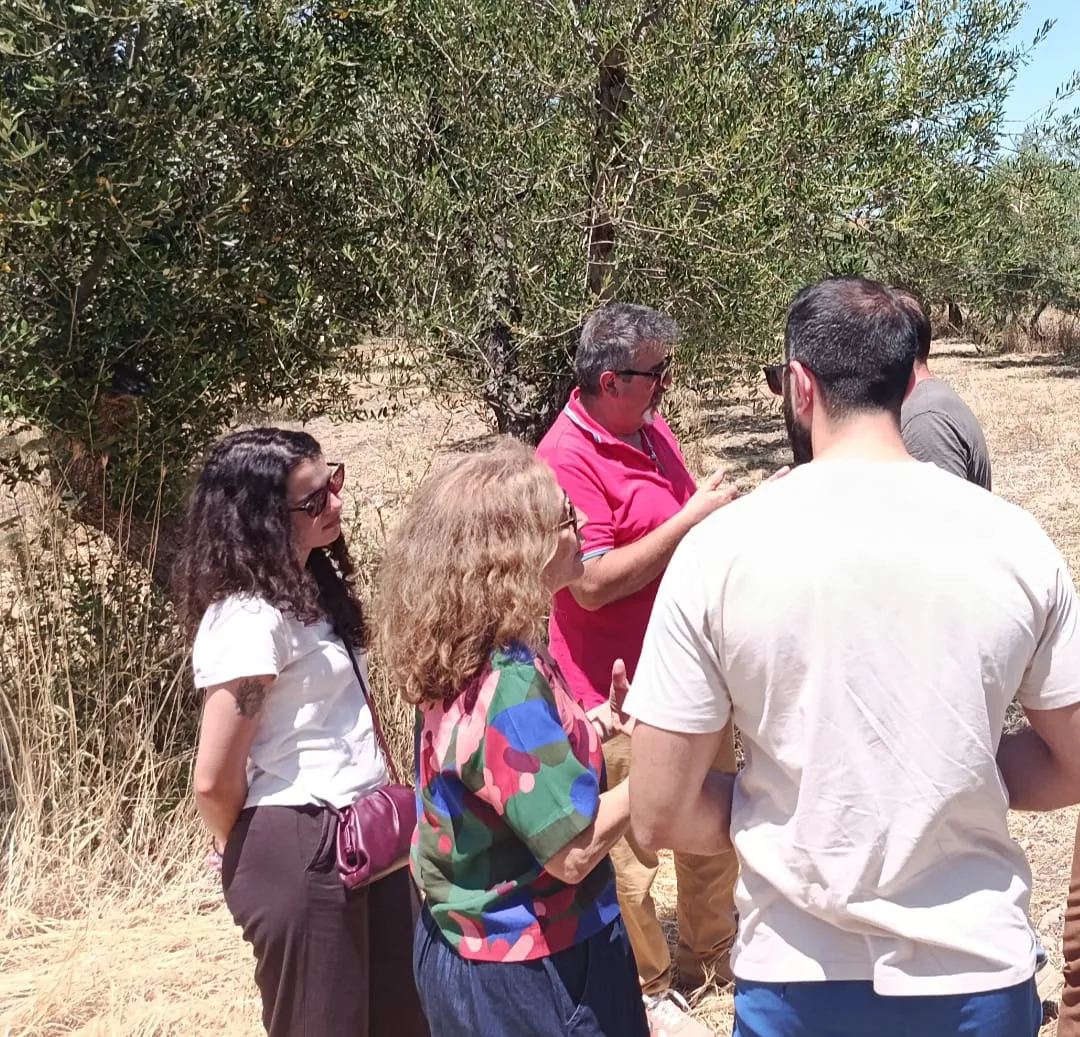
On 17 June, activities under Experimental Action No. 1 on Nature-Based Solutions, coordinated by FC.ID (Ciências, Lisbon), were launched and tested for the first time in Apulian olive groves. Three farms from the province of Foggia joined the initiative: Fanelli, D’Angelo and Ippolito. At the centre of the experimentation is olive pomace, a by-product of olive milling, used here as a substrate for mushroom cultivation (Pleurotus eryngii, Pleurotus ostreatus and Agrocybe aegerita) together with the compost provided by BioRipa. At the end of the process, the resulting biomass will be returned to the olive rows to enrich the soil with organic matter, improve its fertility and enhance biodiversity. It is a circular approach in which agricultural by-products are returned to the land, contributing to its regeneration.
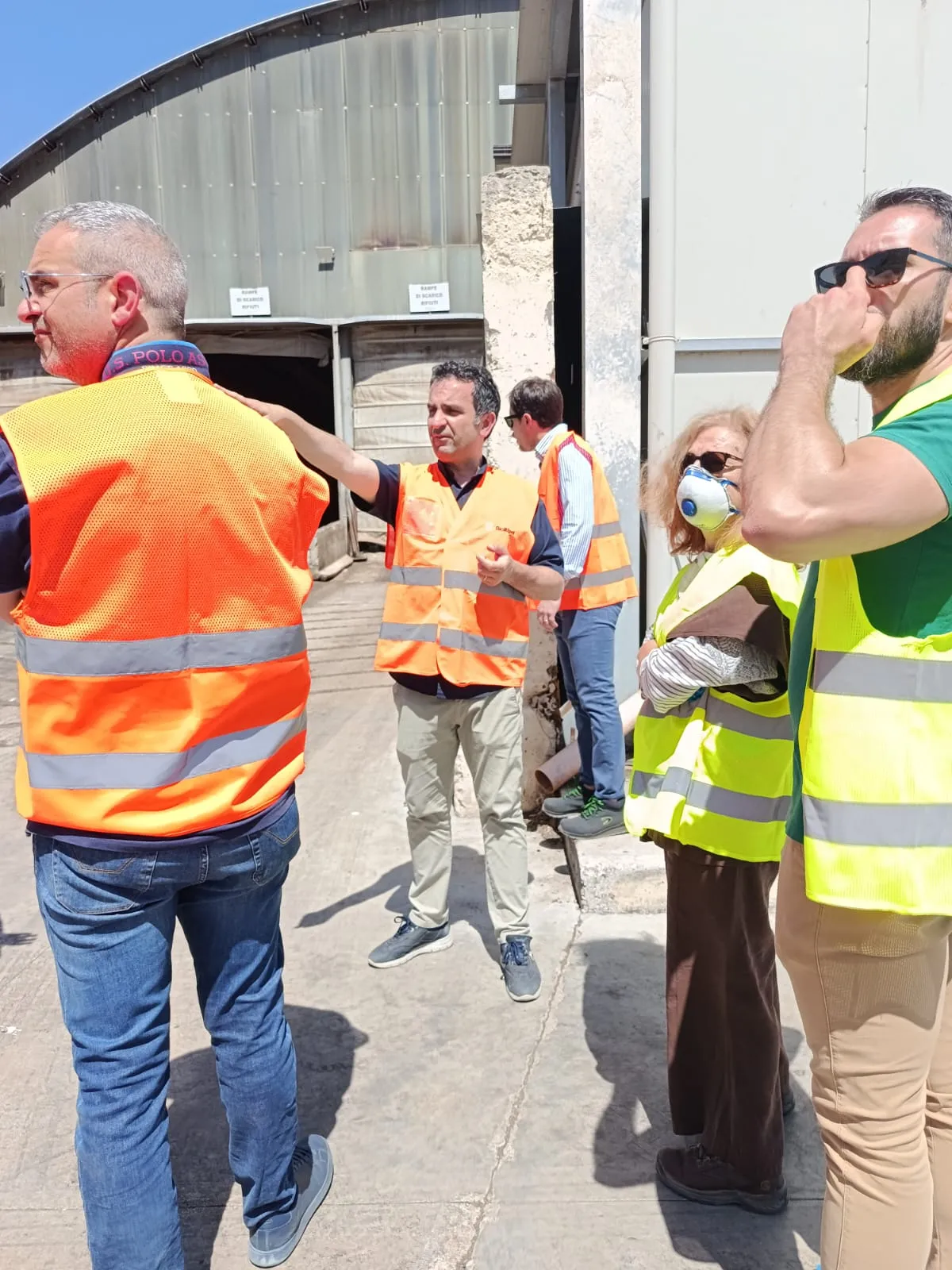
On 18 June, the programme concluded with a visit to the BioRipa composting plant, which is at the centre of Experimental Action No. 3 on biofertilisers. Here, the organic fraction of municipal waste, sewage sludge and pruning residues are transformed into a humus-rich compost amendment, whose effects on soil microbial biodiversity and nutrient retention capacity will be assessed by researchers throughout the project.
With these three opening days completed, the experimental actions now enter their operational phase. Over the coming months, the fields of the Foggia area will become an open-air laboratory, where innovative practices and collaboration between research, businesses and institutions will be translated into concrete actions for soil health and the agroecological transition.