A second life for olive production residues
turning olive by-products into an ally for soil health
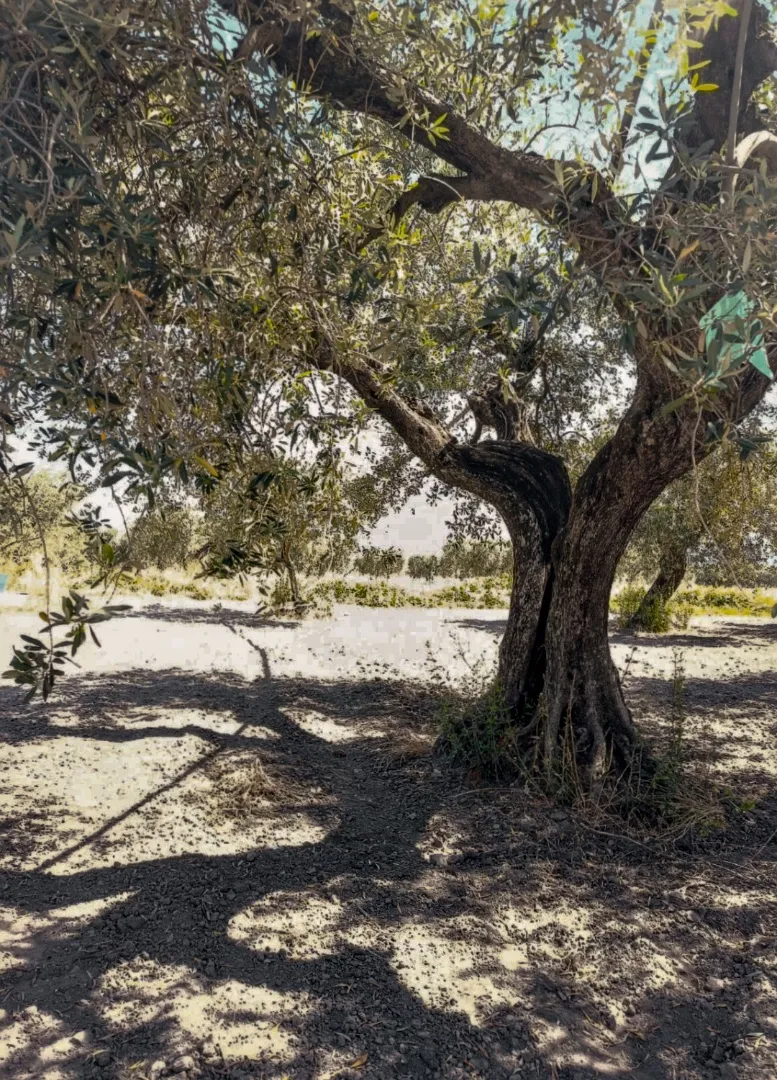
The European Union produces around 2 million tonnes of olive oil every year, accounting for approximately 68% of global production. Olive growing is an important part of the agricultural economy and landscape of many Mediterranean regions, with Spain, Italy, Greece and Portugal among Europe’s leading producers.
Olive oil production also generates large amounts of waste and by-products. Olive mills produce olive pomace, stones and wastewater, while pruning generates significant amounts of biomass every year. Such materials vary widely in their composition and properties, and managing them is an important challenge for a sector that extends across much of the Mediterranean basin.
In recent years, several projects have explored new uses for residues from olive production. Olive by-products are now being used to produce compost, biochar, energy, fertilisers and biostimulants, bioactive compounds and new materials. In Spain, by-products from olive processing have even been used in asphalt mixtures to pave sections of road.
Also in Spain, SIMBIOLIVA, an EIP-AGRI Operational Group funded through the CAP Strategic Plan 2023-2027, works on the valorisation of alperujo, the wet residue generated during olive oil extraction. The project tests physical and microbiological processes aimed at increasing organic matter content and supporting soil fertility.
Soil health is one of the areas addressed by the five EU Missions funded under Horizon Europe. The Mission “A Soil Deal for Europe”, in particular, supports research and experimentation to advance the transition towards healthy soils through Living Labs and Lighthouses across Europe.
Olive growing and the valorisation of agri-food residues are at the heart of several projects funded under the Soil Mission. SOIL O-LIVE works in major olive-growing areas across the Mediterranean, studying soil biodiversity and functions, the effects of agricultural practices and possible restoration strategies. LivingSoiLL has established Living Labs in Portugal, France, Spain and Italy dedicated to permanent crops, including olive groves. Waste4Soil operates through seven Living Labs, where different solutions are tested to turn food industry residues into bio-based products that can contribute to improving soil health.
The use of materials derived from organic residues in agriculture is closely connected to soil health. Adding organic matter can support a more stable soil structure, improve water retention and provide carbon and nutrients for soil organisms. Bacteria, fungi and soil fauna are involved in essential processes such as organic matter decomposition and nutrient cycling. Field trials make it possible to assess which solutions deliver measurable benefits and under which conditions.
In Apulia, INTERESH, also funded by Horizon Europe under the Mission “A Soil Deal for Europe”, addresses these issues in relation to the specific characteristics of the region. The project’s first Experimental Action, dedicated to Nature-Based Solutions, is being carried out in olive groves in the province of Foggia, one of Italy’s main olive-growing areas. In 2024, Apulia had around 330,800 hectares of productive olive-growing land for oil production, accounting for 31.5% of the national total. Around 52,100 hectares were located in the province of Foggia, representing 15.7% of the regional area.
INTERESH explores alternative uses for olive pomace produced by the olive oil sector. As part of the Experimental Action, olive pomace is used to prepare a substrate for growing three species of edible mushrooms. Once the mushrooms have been harvested, the spent substrate is composted and allowed to mature until a stable organic material is obtained for use in the field trials.
The next phase involves the biological enrichment of the compost. CIÊNCIAS - Faculdade de Ciências da Universidade de Lisboa, the partner responsible for the scientific and biological component of the action, provides the fungal inocula and carries out the microbiological and molecular analyses included in the protocol. Three treatments based on the same matrix are compared and monitored over time. The analysis covers soil fertility, organic carbon, nutrients, and microbial and fungal communities, with the aim of assessing how biological compost enrichment affects soil quality and the ecological processes taking place within it.
From olive oil production to soil health, olive pomace can therefore have a much longer life than we normally associate with a waste product. Research can identify new uses and assess their potential to deliver real benefits. In regions where olive growing has shaped the landscape and agricultural economy for centuries, finding new uses for production residues can also create new opportunities to protect the resource on which the entire sector depends: soil.