One field, different needs: why knowing the soil makes the difference
Understanding soil characteristics also means taking its natural variability into account.
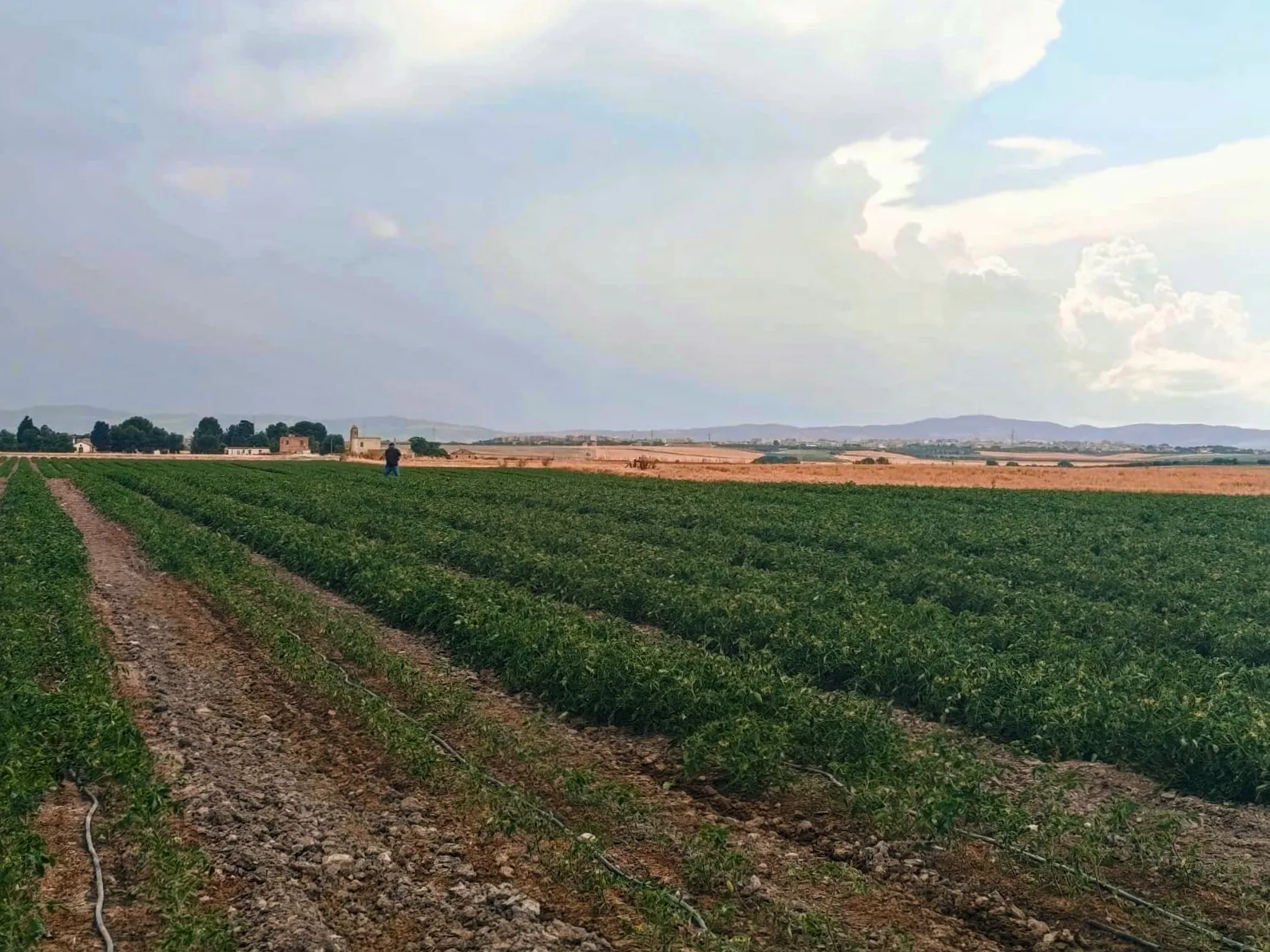
Soil health depends on a complex balance of physical, chemical and biological properties that are fundamental to ecosystem functioning, the availability of natural resources and food production. Understanding soil characteristics also means taking its natural variability into account. Soil is not uniform, and its properties can vary even within relatively small areas, with, for example, significant differences in nutrient availability, organic carbon content, moisture or pH.
In agriculture, variability is particularly important. Different areas within the same field can have different characteristics and therefore require different management. Having detailed information on soil properties and conditions provides a more accurate picture of the field and is essential for its proper management. Adjusting the use of resources such as water and nutrients to the actual needs of different areas can help avoid unnecessary inputs, supporting more responsible resource management while improving the farm’s economic efficiency.
Precision agriculture now offers a range of tools to obtain detailed, site-specific information on cultivated areas. Sensors, laboratory analyses and satellite observations can, for example, provide different perspectives on the same field. The resulting data can then be used to divide the field into relatively homogeneous areas, known as management zones, and tailor interventions to the characteristics identified.
The same approach has been adopted within INTERESH for activities dedicated to fertigation and water resource management, where knowledge of soil variability provides the basis for testing a variable-rate fertigation system.
Coordinated by Ghent University, the experimental activities are being carried out in the province of Foggia. Here, the soil is analysed through high-resolution scanning using a multisensor platform. The information obtained makes it possible to map the main soil properties and, through the analysis of their spatial distribution, divide each field into different management zones.
The management zones provide the starting point for differentiated field management. Specific amounts of water and nutrients can be determined for each zone according to the conditions observed. The experiment will therefore assess the extent to which a targeted application of water and nutrients, tailored to the actual needs of the soil and crops, can improve resource-use efficiency compared with uniform management.
The experimental activities will then continue with the monitoring of soil and crop conditions throughout the growing season. Sensors installed in the fields will track parameters such as soil moisture and nutrient availability over time, while satellite observations will provide information on vegetation development. The data collected will be used to assess the response of the different zones and adjust fertigation when necessary, including the application of locally produced biofertiliser.
Comparison with conventional practices will also make it possible to assess the effects of the proposed management approach on crop productivity and quality, as well as its economic and environmental sustainability. The results will therefore help determine the extent to which more precise knowledge of soil variability can translate into more efficient and sustainable management choices.
The significance of this work extends beyond agricultural production. In an increasingly unstable environmental context, access to tools capable of tracking ongoing changes and supporting decisions based on up-to-date data is part of a much broader challenge: preserving an essential resource, together with the natural and production systems that depend on it.